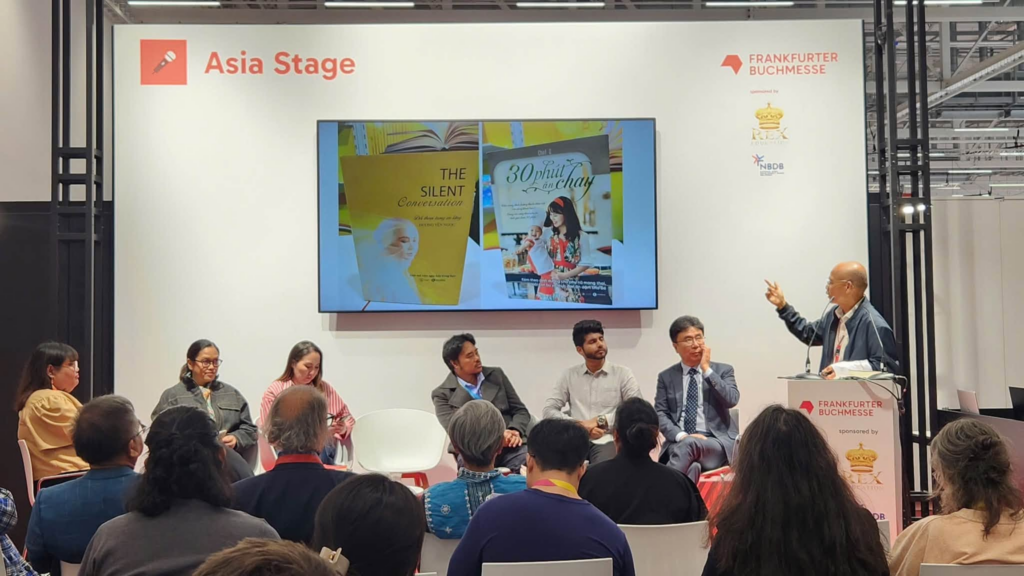
For many years, I have been deeply concerned about one issue: Why do we build so many new urban areas, residential complexes, and neighbourhoods, with full technical infrastructure and amenities such as shopping centres, supermarkets, playgrounds, sports facilities, parks, and swimming pools…, yet lack a space that is essential for the intellectual and cultural development of the community: libraries and reading rooms?
I have discussed this issue many times with Mr Pham Minh Tuan, Chairman of the Vietnam Publishing Association; Mr Nguyen Nguyen, Director General of the Authority of Publication, Printing and Distribution; Mr Nguyen Huu Gioi, Chairman of the Vietnam Library Association; Mr Nguyen Ngoc Hoi, Deputy Director of the Ho Chi Minh City Department of Culture and Sports; as well as leaders of several real estate enterprises. All agree that this is a matter of great importance, one that should be studied and incorporated into future legal regulations and urban planning.
Traditionally, when we speak of infrastructure, we think of roads, electricity, water supply, telecommunications, schools, or hospitals. However, a civilised city requires not only technical infrastructure, but also cultural infrastructure.
Libraries are among the most fundamental cultural institutions.
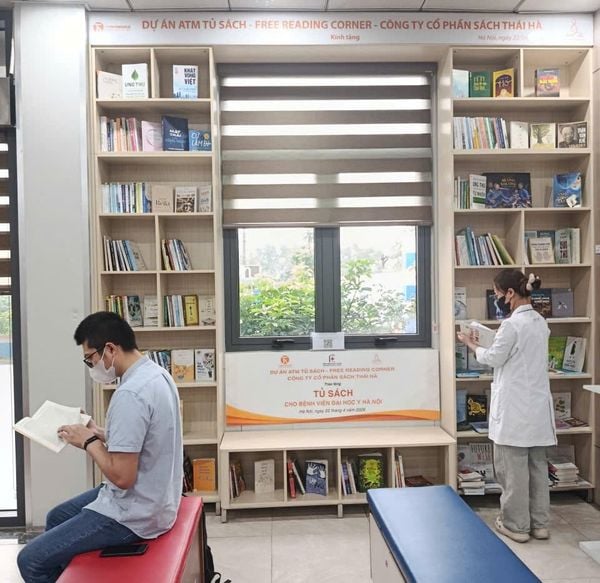
A community library is not merely a place to store books. It is a space for lifelong learning, for meeting and exchanging knowledge, for nurturing reading habits, for shaping children’s character, for adults to access new knowledge, and for the elderly to continue learning and sharing life experience.
In the era of digital transformation, when people can access vast amounts of information online, the role of libraries becomes even more important. Libraries not only provide knowledge but also help people select information that is accurate, valuable, and trustworthy.
I believe it is time to study and incorporate the construction of community libraries, reading rooms, and community bookshelves into legal frameworks.
The Capital Law and specific regulations for Ho Chi Minh City could take the lead in this area. Just as there are requirements for green space, park areas, schools, parking facilities, and other public works, new urban developments should also be required to allocate space for libraries and reading rooms.
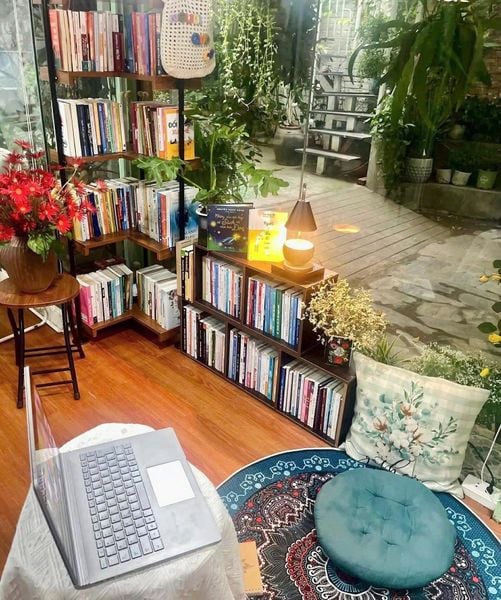
In my view, every residential area with a population of 1,000 or more should have at least one community library or reading room. Apartment complexes should include reading corners or small libraries for residents. Each commune or ward should have a community library or an open reading space. Cultural houses and community centres should integrate bookshelves or libraries to support lifelong learning.
If we can allocate thousands of square metres for commercial facilities, then dedicating a few dozen or a few hundred square metres for knowledge is entirely feasible.
An urban area may be architecturally modern, but without spaces for learning and reading, it cannot become a truly sustainable community.
The long-term value of a city lies not only in its buildings, but in the quality of the people who live there.
Books help shape individuals who are knowledgeable, cultured, socially responsible, and capable of lifelong learning.
A child growing up in a community with a library has more opportunities to access books. A family that visits a library on weekends strengthens its bonds. A community with reading spaces gains more opportunities to share knowledge and spread positive values.
This is the foundation of a learning society, which Vietnam is striving to build.
While awaiting clearer policies and regulations, many organisations and businesses have taken proactive steps. Thai Ha Books has implemented the ATM Bookshelf for Reading Promotion model at 135 locations across the country. Although not all have been equally successful, they have generated meaningful impact in many places, such as Hanoi Medical University and its hospital.
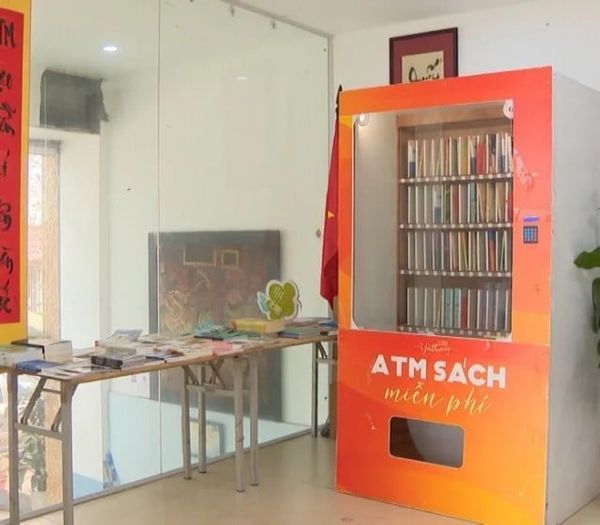
This model aims to bring books closer to the community, allowing people to access knowledge easily where they live, study, and work. Essentially, it functions as a community library, though we call it an “ATM Bookshelf” or a “Reading Corner”.
Each bookshelf and reading corner is not only a place to borrow books but also a hub connecting readers, contributing to the development of reading culture at the grassroots level.
I believe that if every residential area, apartment complex, and commune has a reading corner or community library, we can create a nationwide knowledge network.
A country that seeks sustainable development must build a learning society. A learning society requires a strong reading culture. And reading culture can only flourish when people have convenient, regular, and equal access to books.
Therefore, I sincerely call on government authorities, policymakers, urban planners, and real estate developers to pay greater attention to building libraries, reading rooms, and community bookshelves in new urban areas.

Libraries should be considered an essential component of modern urban infrastructure.
Because while constructing a building takes only a few years, building a generation that loves reading, values knowledge, and possesses lifelong learning capacity takes decades.
And to achieve that, we must begin with small libraries right where we live, starting as soon as possible. Because if not now, then when? And if not us, then who?
Dr Nguyen Manh Hung
Founder and Chairman, Thai Ha Books